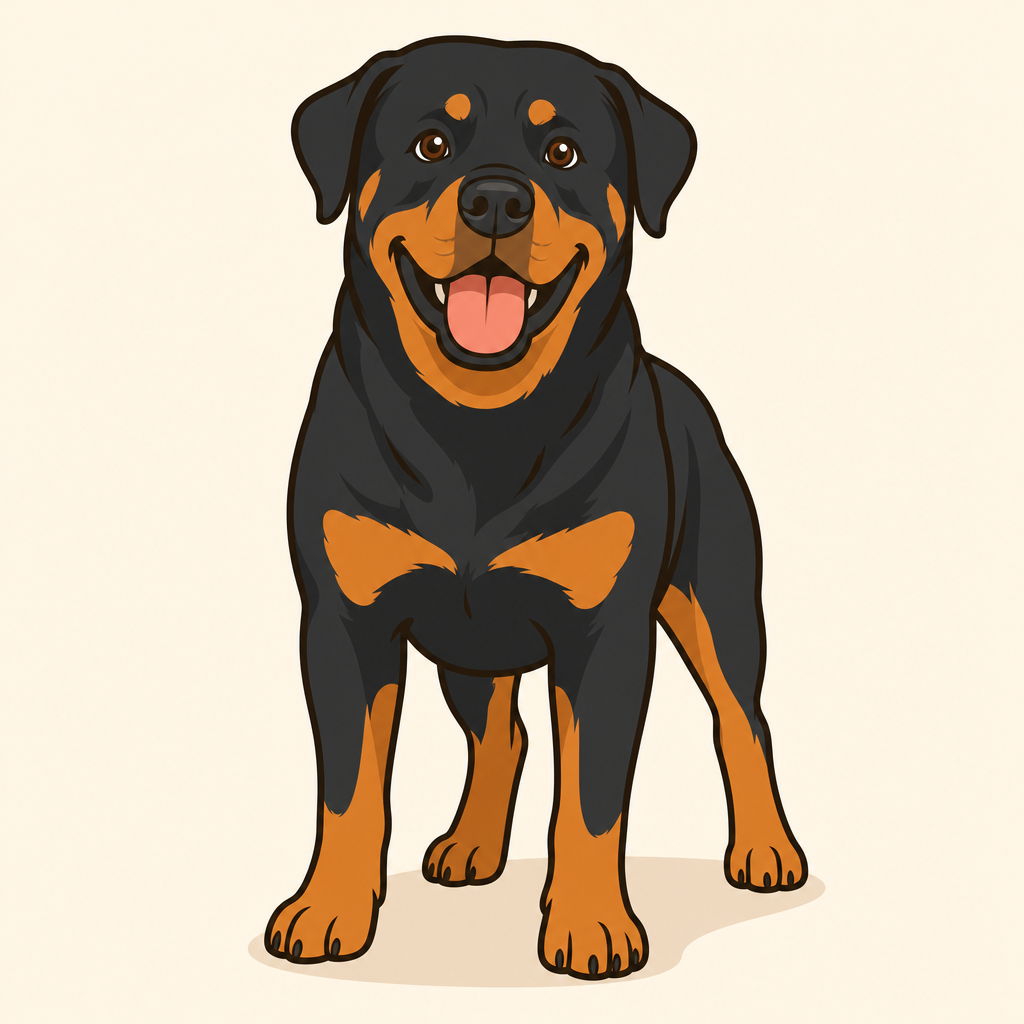
The Rottweiler starter kit
Everything your future Rottweiler (Rottie) needs to move in, annex the couch, and immediately run the household — hand-assembled by DOGSCIENCE™ for a large chaos unit.
Rottweilers are 135-pound love missiles with a legitimate security deposit-sized head and a soul that has decided YOU are the most important thing that exists. They were bred to herd cattle and guard property, which means they come factory-installed with loyalty so intense it borders on obsessive. Your Rottie will follow you from room to room, sit on your feet, and stare at you like you invented oxygen.
Here's the thing nobody tells you: they're goofy. Like, embarrassingly goofy. They'll try to sit in your lap. They'll cry when you leave for work. They have zero concept of their own size. But they're also genuinely protective — not aggressive, just aware — which means socialization isn't optional, it's your baseline. A well-bred, well-trained Rottie is a rock-solid family dog. A poorly socialized one is a 135-pound liability wrapped in velvet. Choose accordingly.
Get a Rottweiler if you want a devoted, trainable, food-motivated dog that will love your family with intensity normally reserved for religious experiences. Don't get one if you're skipping training, ignoring socialization, or expecting the neighborhood to fear you — that's not a dog, that's a liability waiting to happen.

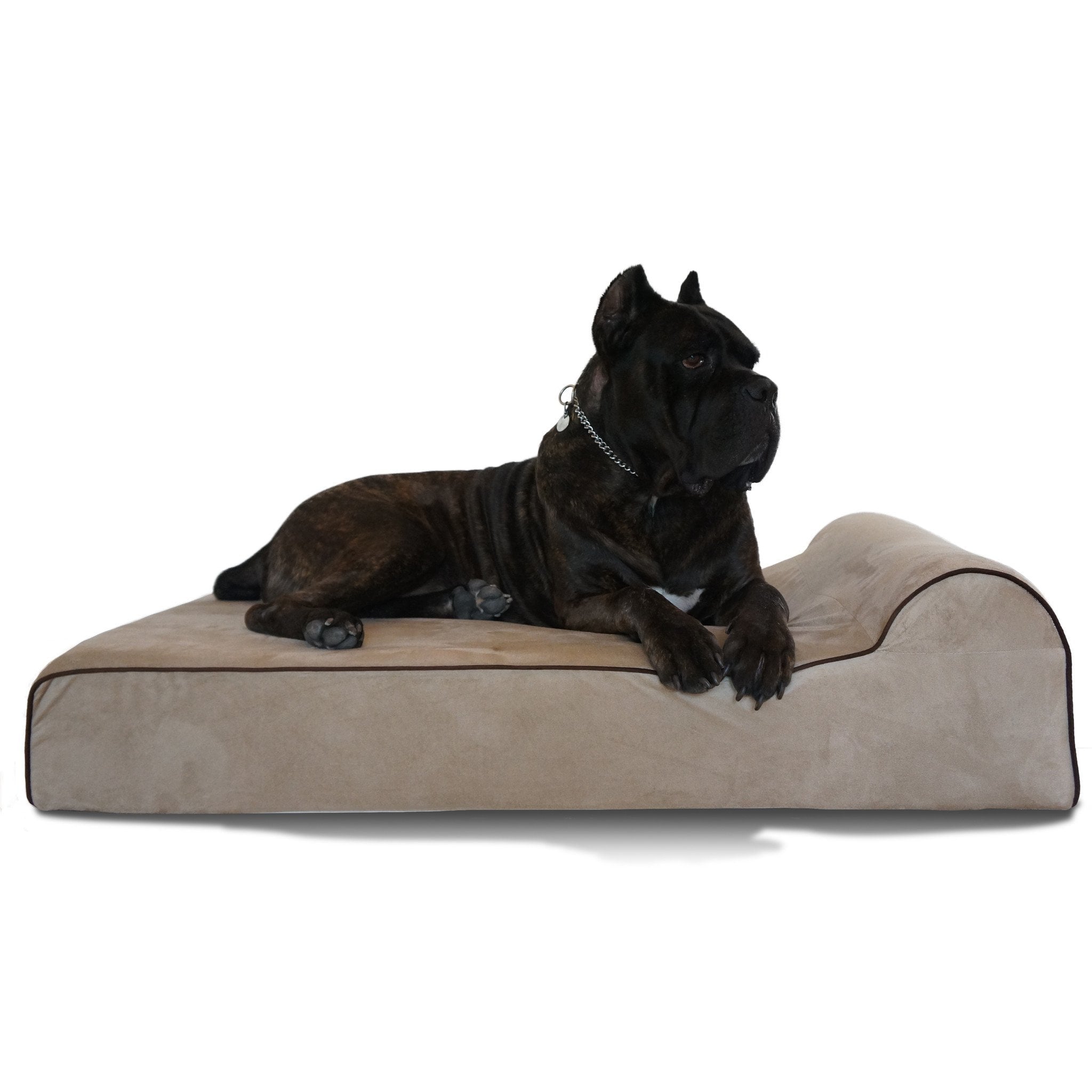


Keeping a Rottweiler alive, thriving & mildly unhinged
Rottweilers are straightforward but they need serious socialization and consistent training. They're not aggressive by nature, but they're also not naive — they notice when someone doesn't belong, and they take that job personally. Without early, ongoing exposure to different people, dogs, and situations, you're just making life harder for everyone, including the dog.
They're also prone to joint issues (hip/elbow dysplasia), so breeder health testing matters wildly. And despite what their chainsaw-motor bark sounds like, they're not independent thinkers — they're people-pleasers who want your approval, which makes them surprisingly easy to train if you bother.
- Socialization is non-negotiable. Start early, do it constantly, do it with intention. This breed's reputation is 100% built on owners who skipped this step. Don't be that person.
- Health test the breeder's dogs. Hips, elbows, heart. Ask for OFA/PennHIP results. Rottie joint issues are real and expensive. A good breeder knows this.
- Exercise is real but not insane. 30-60 minutes of activity daily keeps them happy. They're not high-energy psych cases; they're solid, steady athletes. But they will get chunky if you let them, and chunky + big = joint problems.
- Their coat is a non-event. Short, dense, sheds like they're personally offended by brushes. Weekly brushing during shedding season. That's it. They don't need fancy grooming.
- Train them, seriously. They live to please you and respond instantly to positive reinforcement. A 10-minute daily training session keeps their brain engaged. A bored Rottie becomes a destructive Rottie.
- Watch their temperature. That thick coat + large body = heat sensitivity. No extensive exercise in summer heat, always fresh water, AC when it's gross out.
Rottweiler questions you're definitely Googling at 2am
Are Rottweilers dangerous?
No. Rottweilers aren't inherently dangerous any more than a loaded gun is dangerous — it depends 100% on the user. A well-bred, properly socialized, trained Rottweiler is a calm, loyal, obedient family member. A poorly bred dog from an irresponsible owner who skipped training? That's where problems happen. Media hypes the breed because scary-looking dogs get clicks. Don't base your decision on headlines. Base it on meeting actual dogs and asking real breeders hard questions.
Will a Rottweiler protect my family without training?
Sort of, in a basic way — they're naturally protective and aware — but untrained protection is chaotic and unreliable. A well-trained Rottie can actually distinguish between threat and not-threat, and respond appropriately. An untrained one might bite the mailman, your vet, or your kid's soccer coach. Train your dog. It makes them smarter, safer, and happier.
How much space do they need?
Less than you'd think. Rottweilers are surprisingly fine in apartments and smaller homes as long as they get their daily exercise and mental stimulation. They're not pacing chaos beasts; they're couch potatoes who happen to weigh 135 pounds. The real requirement is that someone's home enough to actually be with them — they get anxious and destructive when isolated for 8+ hours daily.
How long do they live?
8-11 years on average, sometimes longer. It's actually not terrible for a large breed, which speaks to their general sturdiness. But again: health testing from a good breeder, proper weight management, and catching health issues early all matter hugely. A 9-year-old well-cared-for Rottie is still doing their job: sitting on your feet and making sure you're okay.
