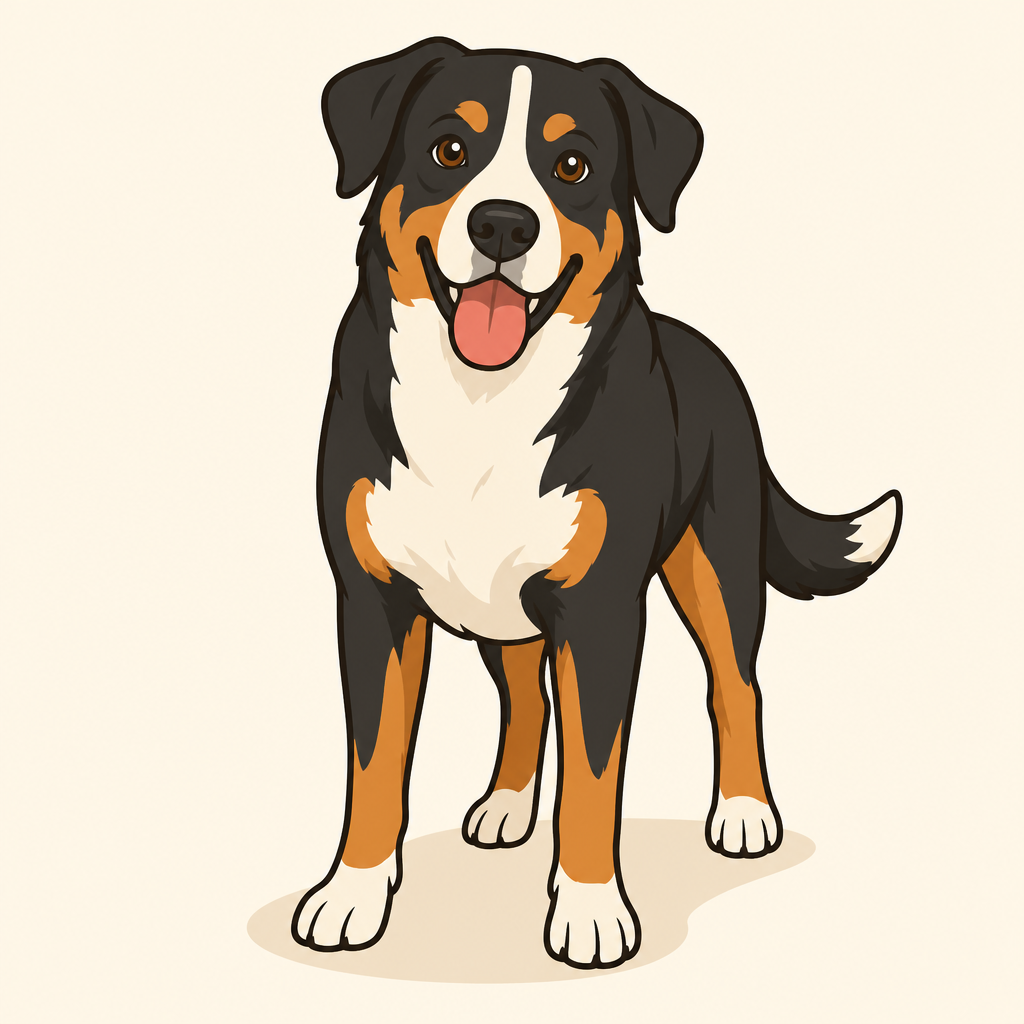
The Large Mixed Breed starter kit
Everything your future Large Mixed Breed (Large Mutt) needs to move in, annex the couch, and immediately run the household — hand-assembled by DOGSCIENCE™ for a large chaos unit.
You're thinking about a Large Mixed Breed—which is dog roulette played on a big-dog scale. Could be a German Shepherd-Lab situation. Could be a mysterious three-dog minimum mystery blend that nobody will ever know the true origins of. What you will know: it's going to be large, probably athletic, and absolutely convinced it's a lap dog.
Large mixes are the honest dogs. No breed standard to hide behind, no carefully curated marketing. Just a dog that exists, needs a job or exercise or both, and will either be your perfect match or will eat your couch while making eye contact. The chaos is real but the genetic lottery means you might actually avoid some of the breed-specific health landmines. They're ideal if you want: a one-of-a-kind companion, potential athletic partner, or a dog that keeps you humble. They're not for anyone who thinks dogs come with guarantees or instruction manuals.



Keeping a Large Mixed Breed alive, thriving & mildly unhinged
Large mixes are structural chaos that needs management. Your large-breed dog could have lurking hip dysplasia (common in bigger dogs), mystery energy levels, unpredictable grooming needs, and the ability to destroy a room in the time it takes you to grab your keys. The upside: you might've actually skipped some breed-specific genetic nightmares. The downside: you won't know what you skipped until year three.
- Joint and bone support early: Large dogs grow fast and their bones are load-bearing nightmares. Feed large-breed appropriate food (controlled calcium, phosphorus, and fat) for the first 12–18 months, even if your pup seems indestructible. Hip dysplasia isn't preventable but malnutrition makes it worse.
- Exercise and mental work are non-negotiable: A bored large mix isn't cute. It's a redecoration project. Figure out what your dog's actual drive is (herding? prey? just vibes?) and channel it into walks, fetch, training, or sports. Minimum 60 minutes daily, but your dog will tell you if it needs more.
- Nail maintenance and grooming unpredictability: You don't know what coat you're getting—could be short, could be fluffy, could be wiry nonsense. Check ears monthly (large dogs can hide ear infections), trim nails biweekly, and start grooming habits early so your dog doesn't lose its mind at the vet or groomer.
- Boundary training matters more than breed training: A mixed breed that doesn't respect boundaries is just a large chaos agent. Train basic cues, respect your space, and recall—especially recall. You don't know what instincts are lurking in there.
- Health screening and baseline records: Get a vet checkup immediately. Get baseline bloodwork and orthopedic assessment (especially hips if you can). Large dogs don't have predictable genetic issues, which means you need to actually watch for problems instead of just knowing the breed playbook.
Large Mixed Breed questions you're definitely Googling at 2am
Will my large mixed breed have behavioral problems because it's a rescue?
No. Mixed breeds aren't behaviorally broken by default; they're just individuals. Yes, some rescues have histories—abuse, neglect, shelter stress. But plenty of large mixes are just regular dogs in a new home. The chaos comes from fit, not origin. Wrong exercise, wrong structure, wrong handler = behavior problems in any dog. Right match = you probably dodged a genetic disorder too.
How big will my large mixed breed actually get?
Honestly? Guess and add ten pounds. If you know the parents, you've got a shot. If it's a full mystery, you're playing the waiting game. Most large mixes top out between 60–90 lbs, but some hit 110+. Feed conservatively in puppyhood, don't overgrow them, and know that by month 8–12 you'll have a pretty clear picture. When in doubt: assume the high end and plan accordingly.
Do mixed breeds live longer than purebreds?
Often yes, actually. Mixed breeds tend to have broader genetic diversity, which can dodge breed-specific genetic nightmares (hip dysplasia, cardiac issues, etc.). A large mixed breed's lifespan is typically 10–13 years, sometimes longer—not a guarantee, but the genetic lottery actually works in your favor here. Get regular vet checkups, manage weight religiously, and you've done the job.
Is training harder with a mixed breed since I don't know the breed?
Training is determined by the individual dog, not the mix. But yes, you won't get a breed playbook. That's actually fine—watch your dog's drive, what it responds to, what it's naturally good at, and build from there. Some mixes are eager-to-please. Some are independent as hell. You'll figure it out faster than you think, and the flexibility means you're training the dog you have, not fighting breed standards.
